
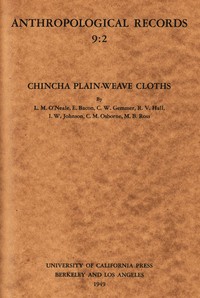
Chincha Plain-Weave Cloths by Lila M. O'Neale
Let's be clear: this isn't a beach read with a plot twist. Chincha Plain-Weave Cloths is a focused study of textiles from the Chincha Valley in Peru. Published in 1937, it's Lila O'Neale's detailed report on fabrics recovered from ancient graves. She wasn't just listing artifacts; she was trying to listen to them. The book systematically examines these cloths—how they were made, the materials used, the techniques, and the designs. O'Neale acts as a translator, showing how choices in weaving reflect the culture, environment, and skills of the Chincha people long before the Inca Empire.
Why You Should Read It
Here's the magic: O'Neale makes technical details feel human. When she describes a fading red dye, you start to picture the person gathering the plants. When she notes a consistent pattern shift, you wonder if it was a personal signature or a community trend. She gives dignity to these anonymous artisans. The book quietly argues that craft is a profound form of communication and that women's work (textile production was largely women's domain) is a crucial historical record. It’s a reminder that history isn't only written by kings and conquerors; it's also woven by hands that fed families, celebrated seasons, and expressed identity through beautiful, practical objects.
Final Verdict
This is a niche book, but its appeal is wider than you might think. It's perfect for history buffs who want to look beyond battles and politics, for artists and crafters fascinated by technique and tradition, and for anyone who enjoys true stories of discovery. If you loved The Hare with Amber Eyes for how it traced history through objects, you'll find a similar, scholarly yet deeply respectful spirit here. It's not a quick read, but for the right reader, it's a mesmerizing one. You'll never look at a piece of cloth the same way again.
You are viewing a work that belongs to the global public domain. Thank you for supporting open literature.
George Lopez
9 months agoI was skeptical about the depth of this book at first, but the visual layout and supporting data make the reading experience very smooth. An excellent example of how quality digital books should be formatted.
Karen Perez
4 weeks agoHaving read the author's previous works, the inclusion of diverse viewpoints strengthens the overall narrative. I’ll definitely be revisiting some of these chapters again soon.
Nancy Thompson
7 months agoHaving followed this topic for years, I can say that the emphasis on ethics and sustainability within the topic is commendable. A solid investment for anyone's personal development.
Melissa Martinez
4 months agoI have to admit, the narrative structure is incredibly compelling. Worth every second.


Linda Jackson
2 years agoI appreciate the objective tone and the evidence-based approach.