
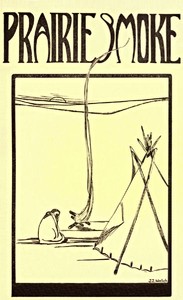
Prairie Smoke, a Collection of Lore of the Prairies by Melvin R. Gilmore
Published in 1929, Prairie Smoke is Melvin R. Gilmore's heartfelt effort to preserve what he called the 'lore' of the Great Plains. Gilmore, an ethnobotanist, didn't invent these stories. Instead, he acted as a careful listener and scribe. The book is his compilation of knowledge shared with him primarily by Native American elders, particularly from the Pawnee, Omaha, and other Plains tribes, during a time of immense cultural shift.
The Story
There isn't a single narrative thread. Think of it as a field guide to a disappearing world. Gilmore organizes the lore into chapters that feel like walking through a prairie landscape with a wise guide. You'll learn about the practical uses of native plants—which roots were food, which leaves healed wounds. You'll hear creation myths that explain how rivers were formed and why the buffalo has a hump. There are stories about the stars, animal behavior, and the deep, spiritual connection between the people and every aspect of their environment. The 'plot' is the unfolding of this entire philosophy of life, page by page.
Why You Should Read It
This book changed how I look at the open sky and the grass. It's humbling. Gilmore's tone is respectful; he's clearly in awe of his teachers. What gets me is the sheer practicality woven with profound spirituality. A story about why the possum's tail is bare also teaches a lesson about vanity. A description of how to prepare prairie turnips is followed by a prayer of thanks. It shows a way of living where nothing is wasted and everything has meaning. It’s not a dry academic text; it feels like sitting around a fire, being entrusted with secrets.
Final Verdict
Perfect for anyone with a curiosity about natural history, Native American cultures, or the soul of America's heartland. If you enjoy books like Braiding Sweetgrass by Robin Wall Kimmerer, this is a fascinating historical companion piece. It's also a great pick for gardeners, foragers, and folks who just love a good story about how the world works. Be prepared for a different kind of reading experience—it's a book to dip into, to ponder, and to return to. It leaves you with a deeper sense of place and a quiet gratitude for the voices Gilmore helped save from the silence.
This is a copyright-free edition. Access is open to everyone around the world.
Thomas Martinez
8 months agoAs a professional in this niche, the evidence-based approach makes it a very credible source of information. This adds significant depth to my understanding of the field.
Susan White
1 year agoI took detailed notes while reading through the chapters and the case studies and practical examples provided add immense value. The price-to-value ratio here is simply unbeatable.
Margaret Smith
7 months agoOne of the most comprehensive guides I've read this year.
Emily Moore
1 year agoThis is an essential addition to any academic digital library.







Nancy Thomas
2 months agoUnlike many other resources I've purchased before, the critical analysis of current industry standards is very timely. This adds significant depth to my understanding of the field.